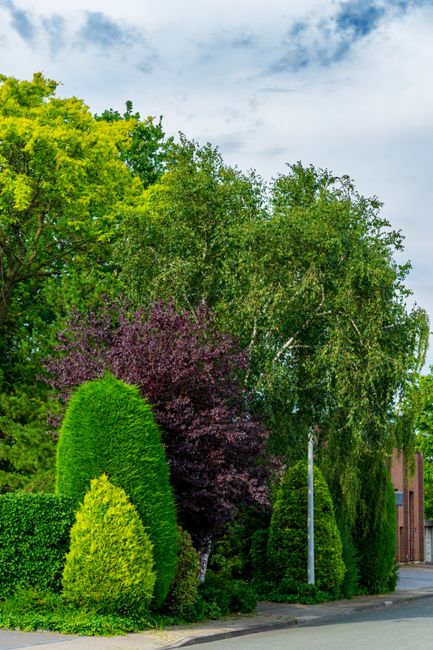
Stanmore business premises gardeners maintenance guide
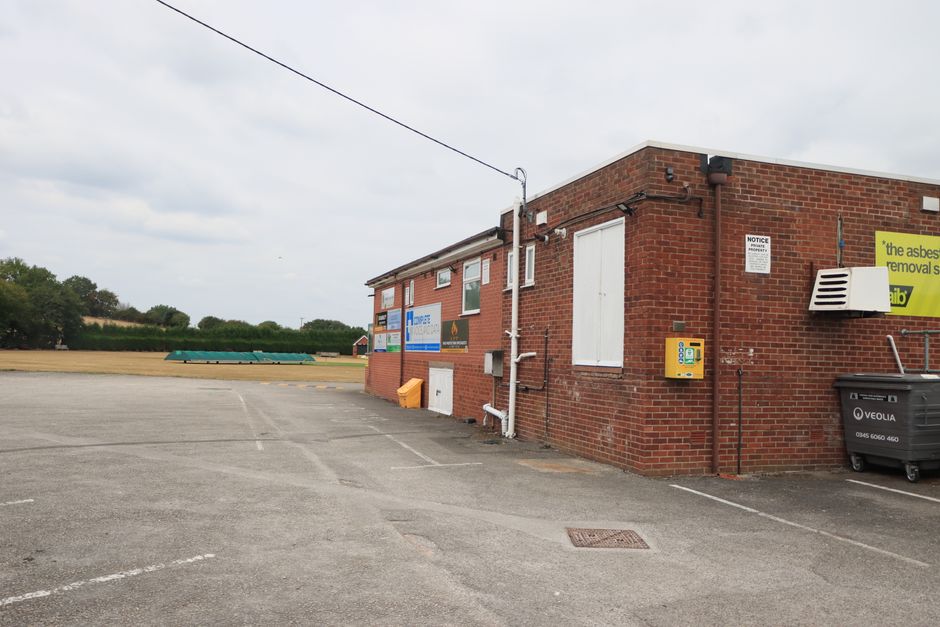
If you manage an office, retail unit, medical practice, school, hospitality venue, or mixed-use site, outdoor maintenance can quietly shape the way people judge your business before they even step inside. That is exactly why a Stanmore business premises gardeners maintenance guide is worth having close to hand. A tidy entrance, healthy planting, neat hedges, and safe walkways do more than look pleasant; they reduce complaints, support safety, and help a site feel organised from the first glance.
To be fair, commercial grounds work is rarely glamorous. One week it is leaf fall, the next it is moss, pruning, weeds in the paving, or a lawn that has gone patchy after a dry spell. But with the right routine, it becomes manageable rather than chaotic. In this guide, you will find a practical approach to business garden upkeep in Stanmore: what matters most, how maintenance is usually planned, which tasks deserve priority, and how to avoid the small oversights that turn into costly problems later on.
For deeper reading on related gardening topics, you may also find our beginner-friendly gardening tips useful, especially if you are trying to understand the basics before putting a site schedule together.
Why Stanmore business premises gardeners maintenance guide Matters
Commercial outdoor space is part of your operational environment. It is not just decoration. In Stanmore, premises often face a mix of street-front planting, side access routes, car park edges, communal courtyards, bins stores, and boundary lines that collect debris quicker than anyone expects. If those areas are not maintained consistently, the whole site can start to feel tired.
The biggest reason this matters is simple: first impressions stick. A crisp hedge, weed-free paving, and regularly cut grass can make a business look cared for, even on a wet Tuesday morning when the windows are streaked and everyone is in a hurry. The reverse is also true. A neglected frontage can quietly suggest poor attention to detail elsewhere, and nobody wants that association.
There is also a practical side. Overgrown shrubs can obstruct signage or pedestrian visibility. Slippery paths can create avoidable hazards. Ivy and self-seeded growth can damage structures over time if ignored. And if a site has customers, tenants, staff, visitors, or delivery drivers coming and going all day, the margin for sloppiness is small.
In our experience, business owners often underestimate how quickly small issues spread. One missed mow becomes a rough edge, then a thistle patch, then a "we'll sort it next month" situation. That kind of drift is expensive in the long run. A maintenance guide gives you rhythm, priorities, and enough structure to stay ahead of the mess.
If your premises have hedges that define boundaries or create privacy, it is worth understanding the right trimming approach too. Our hedge trimming service information can help frame what professional hedge care usually involves.
How Stanmore business premises gardeners maintenance guide Works
Commercial garden maintenance is usually organised around recurring visits rather than one-off interventions. The exact schedule depends on the site, but the logic is similar everywhere: inspect, prioritise, carry out the work, remove waste, and flag anything that needs follow-up.
A sensible maintenance system usually starts with a site walk-through. This is where a gardener or groundskeeper checks grass condition, weed pressure, hedge shape, soil health, drainage, visible pests, plant stress, and any safety issues around paths, steps, and entrances. It sounds basic, and it is. Basic is good. Basic is what keeps sites looking under control.
After that comes a task plan. A standard monthly or seasonal plan often includes:
- lawn mowing and edging
- hedge trimming and pruning
- weed control in beds, borders, and hard surfaces
- leaf clearance and litter removal
- deadheading, staking, and plant tidying
- mulching and light soil improvement
- pressure cleaning or manual sweeping in hard-landscaped areas
- checks for damage, disease, and safety risks
Then there is the question of scope. Some premises need only light upkeep to stay presentable. Others need more detailed care because they have shrubs, seasonal planting, lawn areas, or shared outdoor spaces that visitors actually use. A business garden maintenance plan should reflect real use, not a generic template copied from somewhere else. That bit matters more than people think.
Where the site includes lawns, a dedicated approach can help preserve turf quality through the year. You can see how this is handled in a more focused way on the lawn care service page and the separate lawn mowing service details.
For outdoor areas that include paved or seating spaces, maintenance also needs to extend beyond planting. A customer terrace, staff break area, or front patio can look immaculate after the right clean-up routine, which is why patio cleaning support is often part of a wider grounds plan.
Key Benefits and Practical Advantages
The benefits of consistent business premises garden maintenance are both visible and operational. Some are obvious, others only become obvious after something has gone wrong. That is usually how it works, isn't it?
1. Better presentation without constant firefighting
Regular maintenance prevents the site from swinging between "fine" and "embarrassing." Instead, it stays in the safe middle zone. Not dramatic. Just dependable. That is often exactly what a commercial property needs.
2. Lower risk around access routes
Clear paths, controlled growth, and tidy edges reduce trip hazards and blocked access. This is especially important where deliveries, customers, contractors, or wheelchair users need clear movement around the premises.
3. Healthier planting over time
Plants that are pruned, fed, mulched, and watched regularly tend to cope better with seasonal stress. Neglect is rarely kind to shrubs or beds. A little care at the right time saves a lot of damage later on.
4. More predictable budgeting
Planned maintenance is easier to budget for than emergency callouts. If you know what is being done each month or quarter, there are fewer surprise spikes. That alone makes life easier for site managers and business owners.
5. Better customer confidence
This one is subtle but powerful. When a site looks cared for, people often assume the business is careful in other ways too. It supports trust without saying a word.
Practical summary: good commercial garden upkeep is not about making a site look fancy. It is about making it clean, safe, professional, and easy to maintain week after week.
Who This Is For and When It Makes Sense
This guide is relevant to anyone responsible for the exterior appearance or safety of business grounds in Stanmore. That includes owners, facilities teams, letting agents, property managers, caretakers, and tenants with shared responsibilities.
It makes particular sense if your premises include any of the following:
- a street-facing frontage that customers see daily
- shared access paths or communal areas
- hedging or screening around the perimeter
- lawn areas that need cutting and edging
- raised beds, planters, or seasonal displays
- trees that need monitoring for clearance or safety
- hard landscaping such as patios, steps, or decking
Some businesses only need occasional help, maybe after a storm or during peak growing season. Others need routine visits because the site cannot slip. For example, a cafe with outdoor seating may need regular sweeping and clearance. A care-related or medical setting may need the grounds to look calm and tidy every time. An office park may need less plant variety, but more consistency.
If your site uses ornamental borders or shaded planting, you might also want to explore ideas from our article on evergreen climbers for shaded spaces. That kind of planting can be very useful where you need year-round structure with relatively modest upkeep.
And if privacy or screening is a concern, our guide to quick-growing hedges for privacy offers a useful starting point for choosing boundary planting that works hard without becoming a nuisance.
Step-by-Step Guidance
Here is a practical way to think about business premises garden maintenance. Not fancy. Just workable.
Step 1: Assess the site properly
Walk the premises at ground level and look at the areas people actually use. Don't just glance from the car park. Check entrances, blind corners, bins areas, fire exits, fencing lines, and any spot where moisture or litter collects. You will usually spot patterns very quickly.
Step 2: Separate urgent from routine work
Some tasks are safety-related and should come first. Overhanging branches, broken paving edges, obstructed paths, or severe weed growth near access areas need quick attention. Routine tasks like shaping shrubs or refreshing mulch can usually follow after the essentials are handled.
Step 3: Build a seasonal plan
Commercial grounds change through the year, so the plan should change too. Spring usually demands growth control and planting refreshes. Summer brings mowing, watering checks, and weed pressure. Autumn is leaf season, and winter is about protection, visibility, and keeping surfaces safer.
Step 4: Set service frequencies that match the site
There is no universal answer here. A busy public-facing site may need weekly visits in peak months. A quieter premises might only need fortnightly or monthly attention. The trick is to match frequency to growth rate and footfall, not to guess. Guessing is where many sites go wrong.
Step 5: Include waste removal and finishing touches
The job is not finished when the cuttings are on the ground. Cleared paths, removed debris, and neat edges are what make a maintenance visit feel complete. Small finishing details matter. They always do.
Step 6: Review condition and adjust
Good maintenance is responsive. If a border is struggling, if a hedge is shading too much, or if weeds keep returning in one patch, the plan should change. That might mean altering the planting, improving drainage, or increasing the frequency of visits.
For businesses exploring broader exterior improvements, the wider range of gardening services can be a useful reference point, especially when your grounds require more than simple tidying.
Expert Tips for Better Results
There are a few small habits that make a big difference in commercial grounds care. These are the things that separate "kept tidy" from "well maintained."
- Prioritise visibility first. If visitors cannot see signage, doorways, or walking routes clearly, maintenance should focus there before anything decorative.
- Use the right height for mowing and trimming. Cutting too short can stress grass and make it patchy. Too long, and it looks untidy fast. Balance is the game.
- Mulch where possible. It helps retain moisture, suppress weeds, and create a more finished appearance in borders.
- Keep hedges honest. A hedge that is allowed to drift soon becomes awkward to control. Regular shaping is easier than correction work.
- Watch shaded corners. Moss, mildew, and moisture issues often show up first in low-light or sheltered spots. These areas deserve extra checking.
- Don't ignore one-off problems. A broken trellis, a leaning shrub, or ivy creeping into a wall line can become a bigger issue than it looks from afar.
One useful rule of thumb: if a visitor would notice it from five metres away, it probably needs dealing with. If staff walk past it every day, it needs dealing with sooner. Little rough edges add up.
If your site includes decorative planting, container displays, or plants that need more nuanced care, reading about successful container gardening and ground cover planting can help you make better choices for lower-effort maintenance.
Common Mistakes to Avoid
Most problems in commercial garden upkeep come from timing, not effort. People mean well. They just let things drift.
Leaving maintenance until it becomes a "big job"
This is the classic one. Small jobs are cheap and quick. Big jobs are neither. Once growth gets out of hand, you may need extra labour, extra waste removal, and sometimes remedial work.
Choosing attractive planting that is too demanding
Beautiful planting is great, but a business site usually needs plants that can survive variable attention. If a plant needs constant fuss, it may not belong in a commercial setting unless there is a very specific reason for it.
Forgetting hard surfaces
Many people think "garden maintenance" means only soft landscaping. In reality, paving, steps, seating areas, decking, and edges often determine whether the site feels clean or neglected. If you need support with timber or structural outdoor features, look at the decking services information and the fencing services page as part of a broader exterior care strategy.
Over-pruning or pruning at the wrong time
Cutting back too hard can damage appearance and growth. Some shrubs respond well to heavier pruning; others do not. That is why it helps to work with people who understand plant types rather than just "giving everything a good chop."
Ignoring drainage and compaction
If a site stays waterlogged after rain or gets compacted by regular foot traffic, plants will keep looking tired no matter how neatly they are cut. Sometimes the answer is soil improvement or layout change, not more watering or more mowing.
Not planning for winter
Winter is not the time to stop thinking about exterior care. Leaves, ice, brittle growth, and poor visibility all make sites look and feel worse. A little pre-season planning avoids that frantic early-morning scramble when the weather turns.
For a useful reminder about the colder months, our article on protecting plants during winter is well worth a look.
Tools, Resources and Recommendations
A good commercial gardening setup does not need to be extravagant. It just needs to be reliable, safe, and fit for purpose. If you are organising maintenance in-house or comparing service approaches, the right equipment makes a big difference.
Essential tools
- professional mower or compact mower for suitable lawn areas
- strimmer for edges and awkward corners
- hedge trimmer for routine shaping
- secateurs and loppers for smaller pruning tasks
- rake, broom, and leaf collector for seasonal clean-ups
- weed control tools for borders and hard landscaping
- gloves, eye protection, and sturdy footwear
Useful planning aids
- a simple site map showing priority zones
- a seasonal task calendar
- a record of recurring problems, such as moss or weed hotspots
- basic photo records before and after larger works
- a maintenance log for inspections and completed jobs
If you are still building your own baseline understanding, it helps to read the essentials first. Our practical post on essential outdoor tools is a sensible companion piece, especially if you want to know what actually earns its place in the shed and what just gathers dust.
For businesses wanting budget-conscious upkeep, low-maintenance gardening on a tight budget can be a good guide to making smart planting and maintenance choices without overspending.
And if your premises include lots of weeds around boundaries or paving, the article on effective weed control techniques gives a plain-English breakdown of practical options.
Law, Compliance, Standards, or Best Practice
Commercial grounds maintenance sits alongside wider site responsibilities, so best practice matters. While the exact obligations depend on the premises, the general expectation in the UK is that outdoor areas should be managed safely, kept reasonably clear, and maintained in a way that does not create avoidable risk for visitors or workers.
That means a few sensible principles should always be in place:
- Risk awareness: check for trip hazards, obstructed access, unstable features, and overgrowth near paths or entrances.
- Safe working methods: use tools properly, keep bystanders clear, and handle cuttings and waste responsibly.
- Documentation: keep records of inspections and maintenance visits, especially on busy or shared sites.
- Access considerations: make sure entrances and paths remain usable and not blocked by overhanging growth or debris.
- Contract clarity: know who is responsible for what, particularly in leased or multi-occupancy premises.
If you are responsible for site safety, you may also want to review health and safety information alongside insurance and safety guidance. These pages can help you think through the practical side of working safely on occupied premises.
For businesses dealing with disputes, service expectations, or payment questions, it is also sensible to keep an eye on operational pages such as terms and conditions, payment and security, and complaints procedure. None of that is exciting. But it does save awkward conversations later.
Options, Methods, or Comparison Table
Different premises need different maintenance approaches. The right choice depends on how visible the site is, how much planting it has, and how much internal time you can realistically dedicate to it.
| Approach | Best for | Strengths | Limitations |
|---|---|---|---|
| In-house maintenance | Sites with simple grounds and available staff | Direct control, immediate response, familiar with site details | Can become inconsistent, equipment costs sit with the business |
| Scheduled contractor visits | Most commercial premises | Predictable upkeep, professional standards, easier planning | Requires clear scope and agreed visit frequency |
| Reactive-only maintenance | Very low-use or temporary sites | Low upfront commitment | Usually leads to visible decline and higher fix costs later |
For many Stanmore businesses, the middle option works best: regular planned visits with clear priorities and an agreed seasonal calendar. It is efficient without being fussy. And, honestly, it keeps everyone calmer.
Case Study or Real-World Example
Imagine a small professional office on a busy Stanmore road. The building itself is fine, but the frontage has a narrow grass strip, two hedge lines, a paved entrance, and a few planters near the door. Nothing dramatic. Yet over six to eight weeks, the place starts to look tired: weeds in the paving, hedge edges growing soft, a few fallen leaves gathering near the step, and a lawn that has turned uneven where people cut across it.
The first visit focuses on the obvious issues. The hedge is shaped, the entrance is swept, the weeds are removed, and the grass is cut and edged. On the next visit, attention shifts to soil and planting. The planters are refreshed, tired foliage is trimmed, and mulch is added to reduce weed return. By the third visit, the team has noticed one patch stays damp after rain, so the maintenance plan is adjusted slightly to reduce compaction and improve clearing after wet weather.
What changed? Not the property. Just the system. That is the part people miss. Once maintenance becomes routine, the site looks cared for without needing heroics each time. A tidy entrance in the morning, the smell of fresh cut grass, a swept path before the first visitor arrives - those small things carry more weight than people expect.
If the same site also needs stronger perimeter screening, it may be worth combining maintenance with a more deliberate planting strategy or looking at landscaping support for longer-term improvements.
Practical Checklist
Use this checklist to keep commercial grounds care on track. It is simple, but that is the point.
- Inspect all entrances, paths, and car park edges for trip hazards
- Check lawns for mowing, edging, patchiness, and drainage issues
- Trim hedges before they block signs, windows, or routes
- Remove weeds from beds, paving, and boundary lines
- Clear leaves, litter, and organic debris regularly
- Review planting health and remove dead or diseased material
- Check planters and borders for soil dryness or compaction
- Look for ivy, suckering growth, or self-seeded plants taking over
- Make sure hard surfaces are swept and safe to walk on
- Confirm waste is removed after the visit, not left behind
- Record anything that needs follow-up
- Reassess the plan every season, especially after heavy weather
For more ideas on keeping maintenance manageable and avoiding panic jobs, the article on starting a garden revival can be useful, even for commercial sites that need a reset rather than a redesign.
Conclusion
A well-maintained business exterior is not a luxury. It is part of how a premises works, how it feels, and how people respond to it. A thoughtful Stanmore business premises gardeners maintenance guide helps you stay ahead of growth, keep access safe, reduce pressure on staff, and present your site in a way that feels professional without looking overdone.
The best approach is usually steady, seasonal, and honest about the site's real needs. Not every property needs elaborate planting or high-touch care. Some just need regular mowing, sensible trimming, and quick response to problem areas. Others need a fuller schedule with hedges, beds, paved zones, and boundary care all working together. Either way, consistency wins.
If you are weighing up how to improve your grounds, start with the basics, then build from there. Keep the walkways clear, the planting healthy, and the plan realistic. That is where good results come from. Quietly, steadily, and without drama.
Get a free quote today and see how much you can save.
And if you want to understand the team behind the service before making a decision, the about us page is a good place to begin.
Frequently Asked Questions
What does a business premises gardeners maintenance guide include?
It usually covers routine tasks such as mowing, edging, hedge trimming, weed control, leaf clearance, planting care, and safety checks around access routes and entrances.
How often should commercial garden maintenance happen in Stanmore?
It depends on the site, but many business premises benefit from weekly or fortnightly visits during peak growing months and lighter seasonal visits at quieter times.
Is commercial garden maintenance the same as domestic gardening?
Not really. Business grounds need more focus on presentation, access, consistency, and risk reduction. The plant care may be similar, but the expectations are usually higher.
What are the most important areas to maintain first?
Entrances, paths, steps, car park edges, signage lines, and any place where customers or staff walk regularly should come first. Safety and visibility always outrank decorative work.
How can I reduce garden maintenance costs for a business property?
Choose hardy planting, keep to a regular schedule, prevent problems before they spread, and prioritise low-maintenance design. A little planning usually costs less than repeated emergency work.
What should I ask before hiring a commercial gardener?
Ask what the routine includes, how waste is handled, how often visits happen, what happens in bad weather, and whether they can adapt the plan to your site's seasonal needs.
Do business premises need lawn care as well as mowing?
Yes, if there is turf on site. Mowing alone will not solve patching, moss, poor drainage, or thinning grass. Lawn care takes a broader view of lawn health.
Can garden maintenance improve safety on commercial premises?
Absolutely. Regular maintenance can reduce trip hazards, keep access routes clear, limit overgrowth, and make outdoor areas easier to navigate for visitors and staff.
What is the best time of year to review a maintenance plan?
Spring and autumn are both sensible review points. Spring helps you prepare for growth, while autumn gives you a chance to deal with leaves, structure, and winter readiness.
Should a business premises maintenance plan include hard landscaping?
Yes. Patios, decking, paths, edging, and paved areas often need just as much attention as planting, especially where dirt, moss, or debris can build up quickly.
How do I know if my site needs landscaping rather than maintenance?
If the layout, drainage, planting structure, or access routes are causing repeated problems, a landscaping change may be more effective than ongoing tidy-ups alone.
What is the simplest way to keep a commercial site looking good all year?
Use a routine, keep the most visible areas under control, and review the site seasonally. The trick is consistency. Nothing flashy, just dependable upkeep.