Bentley Priory grounds gardeners seasonal care Stanmore
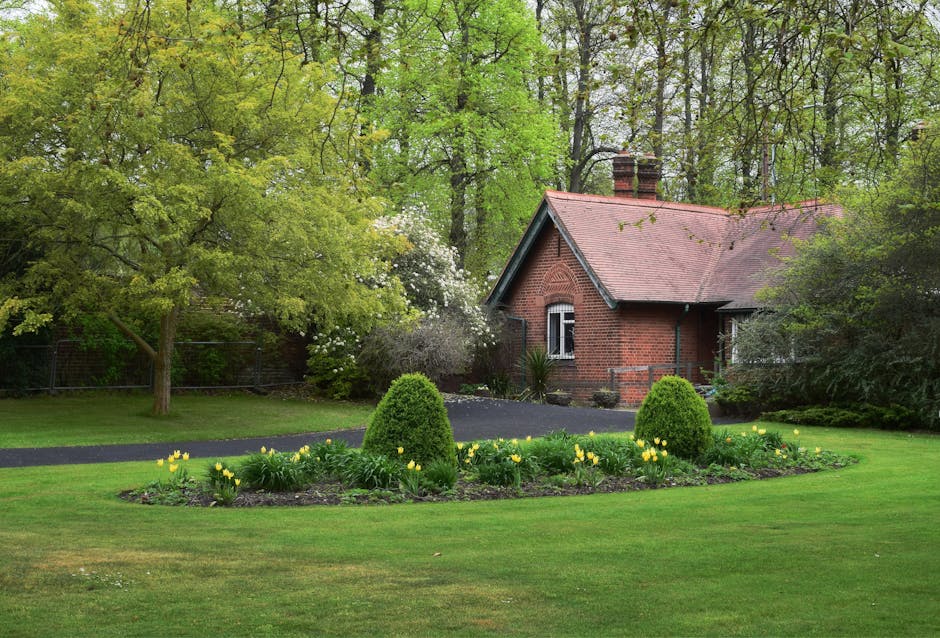
If you look after grounds around Bentley Priory, you already know the job is never just "garden care". One week it is leaf fall and slippery paths, the next it is sharp frost, wind damage, or a sudden rush of spring growth that seems to happen overnight. Bentley Priory grounds gardeners seasonal care Stanmore is really about staying ahead of that rhythm so the site always looks considered, safe, and well kept.
Done properly, seasonal grounds care protects planting, supports healthy lawns and hedges, and prevents the sort of nagging issues that quietly build up: weeds in borders, compacted turf, tired shrubs, moss on paths, and pruning that was left just a bit too late. This guide breaks down what seasonal care involves, how it works across the year, and what to prioritise if you want reliable results without overcomplicating things. And yes, there is a practical side to all of it. Gardens do not wait politely.
Why Bentley Priory grounds gardeners seasonal care Stanmore Matters
Seasonal care matters because grounds are living systems, not static scenery. Around Bentley Priory and similar Stanmore settings, planting beds, lawns, hedges, trees, and hard landscaping all respond differently to weather shifts, shade, drainage, foot traffic, and growth cycles. Miss one season and the next one becomes harder. Miss two, and you start spending time fixing avoidable problems instead of improving the site.
That is especially true in the UK, where weather can swing from damp and mild to unexpectedly cold or windy in a very short space of time. One wet spell can turn an otherwise tidy path into a mossy, slippery nuisance. One cold snap can damage tender planting. One neglected hedge can become a job that needs more aggressive cutting later. Seasonal planning is what keeps the work measured rather than reactive.
For grounds that need to look smart and stay usable, the goal is consistency. You are not just aiming for a single good-looking visit. You are aiming for year-round structure: tidy edges, healthy planting, safe access, and enough flexibility to respond when the season changes suddenly. That is the real value here.
There is also a strong practical reason. Well-timed maintenance is usually less disruptive, less expensive to correct, and kinder to plants. You trim at the right moment, feed at the right moment, protect where needed, and you get better results with less strain. Simple, really. Not always easy, but simple.
How Bentley Priory grounds gardeners seasonal care Stanmore Works
Seasonal grounds care works by dividing the year into manageable priorities. Each phase has its own tasks, and the trick is not to do everything all at once, but to do the right things at the right time. In practice, that means inspecting, planning, pruning, feeding, mowing, clearing, and protecting in a way that follows the natural growth cycle.
In early spring, attention usually turns to recovery: lifting winter debris, checking for frost damage, edging beds, improving soil condition, and encouraging new growth without forcing it. Late spring and summer are about control and presentation. Lawns need regular attention, hedges may need shaping, borders need weeding, and fast-growing plants must be kept within bounds.
Autumn is often the busiest "reset" period. Leaf clearance, bulb planting, soil improvement, reduction pruning, and winter preparation all happen here. Then winter becomes the season of protection: monitoring drainage, safeguarding roots, checking for storm damage, and avoiding heavy disturbance when the ground is cold or waterlogged. If you want to understand the pace of the work, think of it as a careful cycle, not a one-off tidy-up.
Grounds teams often blend routine tasks with seasonal tasks. Routine tasks may include litter picking, path clearing, lawn mowing, and hedge trimming. Seasonal tasks might include aerating lawns, mulching beds, cutting back perennials, winter wrapping, or planting for spring colour. If you need a broader maintenance framework, it can help to look at garden maintenance support alongside specialist services such as lawn care or hedge trimming.
Key Benefits and Practical Advantages
The obvious benefit is that the grounds look better. But the deeper benefits are what make seasonal care worthwhile.
- Healthier planting: Plants are pruned, fed, and protected in line with their growth cycle, so they bounce back more strongly.
- Safer access: Clear paths, controlled overgrowth, and reduced leaf build-up help prevent slips and blocked routes.
- More efficient budgets: A steady maintenance plan usually reduces emergency work and damage control later on.
- Better presentation: Tidy lawns, crisp edges, and well-shaped hedges make a site feel cared for, even in quiet months.
- Less plant stress: Seasonal timing avoids unnecessary pruning, watering, or soil disturbance when conditions are poor.
There is also a less obvious advantage: seasonal care creates predictability. If you manage grounds, you know the relief of not getting surprised by every growth flush or frost patch. The site becomes easier to plan around. Events, visitors, and day-to-day use all benefit from that consistency.
For many properties, the grounds become part of how people judge the whole place. That sounds a bit blunt, but it is true. A well-kept entrance, healthy turf, and orderly planting communicate care before anyone says a word. A messy or tired exterior does the opposite, and quickly.
Who This Is For and When It Makes Sense
Bentley Priory grounds gardeners seasonal care Stanmore makes sense for anyone responsible for a space that must stay neat, usable, and resilient through the year. That could include private grounds, managed outdoor areas, communal spaces, or larger gardens where consistency matters more than occasional tidy-ups.
It is especially useful if you recognise any of these situations:
- the grounds look fine in one season but deteriorate quickly in another
- lawns are patchy, mossy, or struggling after wet weather
- hedges and shrubs grow unevenly and need regular shaping
- leaf fall, weeds, or ivy keep reappearing in the same areas
- you need a reliable schedule rather than ad hoc gardening
It also makes sense when the garden has mixed planting. For example, some sections may be shaded and damp while others are open and wind-exposed. In that sort of setting, a one-size-fits-all approach usually fails. You need seasonal judgement. What works in a sheltered border may be wrong for a lawn edge or a windy boundary hedge. There is no magic to it, just careful observation and timing.
If you are at the beginning of a bigger garden recovery, it can help to start with a proper reset and basic structure. A practical place to begin is initial steps to beautification, especially if the site has drifted over time and needs direction before seasonal routines can work properly.
Step-by-Step Guidance
A good seasonal care plan does not need to be complicated. It does need to be consistent. Here is a clear way to approach it.
- Assess the site properly. Walk the grounds and note where water sits, where growth is weak, where weeds keep returning, and where access is awkward. Do not rush this. You will miss the useful clues.
- Set seasonal priorities. Decide what matters most in each period: recovery in spring, control in summer, preparation in autumn, protection in winter.
- Break the grounds into zones. Lawns, hedges, beds, shaded areas, edges, paths, and entrances often need different timings and methods.
- Build a realistic schedule. Some jobs are weekly, some monthly, some only need attention a few times a year. Put the rhythm on paper, even if it is simple.
- Carry out the essential maintenance. This includes mowing, pruning, deadheading, weeding, sweeping, mulching, edging, and inspecting for damage.
- Protect vulnerable features. Tender plants, young shrubs, and exposed roots may need fleece, mulch, staking, or temporary shelter.
- Review and adjust. After each season, check what worked and what did not. Weather rarely reads the plan, so be ready to tweak it.
In spring, check for compacted soil and tired turf. If the lawn feels hard underfoot, aeration may help. If the borders are looking dull, mulch can lift them quickly while improving moisture retention. In summer, the focus shifts to watering sensibly, cutting back vigorous growth, and keeping the place presentable without overworking stressed plants. Autumn is when leaf management becomes non-negotiable. Letting leaves sit too long can smother grass and create slippery patches. Winter? That is the season for restraint and protection. Often the smartest move is to do less, but do it carefully.
If you want to improve the look and function of the grounds between seasonal jobs, consider how planting choice supports maintenance. The right ground cover can reduce weeds and bare soil, while climbers or hedges can give structure and privacy. For ideas, the guides on ground cover plants and evergreen climbers for shade are useful starting points. They are practical reads, not just pretty pictures.
Expert Tips for Better Results
In our experience, the best grounds are managed with a light but regular hand. Not overdone. Not neglected. Somewhere in the middle, which is harder than it sounds.
- Prune for structure, not panic. If a hedge or shrub is too big, do not rush it all at once unless the species allows it. Heavy cuts can leave ugly gaps.
- Feed the soil, not just the plant. Healthy soil gives you stronger growth and better drought resilience. Compost and mulch usually do more than another quick fix.
- Use paths and borders as indicators. If weeds are appearing at edges, that often tells you maintenance is falling behind elsewhere too.
- Watch the weather before acting. A dry, mild window is ideal for many tasks. A frozen, saturated or wind-lashed day is not. Sounds obvious, but people still do it.
- Keep notes. A simple seasonal log helps you remember what was pruned, what struggled, and where drainage problems showed up.
One practical example: if you notice a shaded section staying wet after rainfall, do not just keep mowing it shorter. That can make matters worse. Instead, check whether airflow, leaf clearance, or planting choice is the real issue. Shade needs its own strategy. For more ideas, evergreen climbers can be a surprisingly elegant solution in the right place.
And here is a small truth from the field: the "quick fix" is often the thing that creates next month's headache. I know, not glamorous. But true.
Common Mistakes to Avoid
Most seasonal problems come from timing, not effort. People mean well. They just move a little too fast, or too late.
- Cutting back too hard at the wrong time: Some shrubs and hedges tolerate it, others do not. Know what you are pruning.
- Ignoring drainage: Waterlogged soil undermines lawns, roots, and winter plant health.
- Leaving leaf fall too long: This blocks light, encourages moss, and creates a dull, tired look.
- Overwatering in cool weather: Plants need less water when growth slows, especially in wetter months.
- Using the same routine year-round: July and January should not be treated like twins. They are not even close.
- Forgetting access and safety: Dense growth near paths, entrances, or steps can become a hazard quickly.
Another common issue is trying to solve everything with mowing alone. Lawn care is important, of course, but it is only one piece. Borders, hedges, trees, hard surfaces, and soil all shape how the grounds behave. If one part is neglected, the whole place starts to look off-balance.
For persistent weed pressure, a targeted approach works better than occasional scraping. There is a helpful breakdown of methods in three effective weed control techniques. It is the sort of advice that saves time later, which is always welcome.
Tools, Resources and Recommendations
You do not need a van full of kit, but you do need the right tools for regular seasonal work. A decent set of basics makes the job cleaner, safer, and less tiring.
- sturdy hand tools for edging, weeding, and planting
- pruners or secateurs for light cutting
- loppers for thicker stems and awkward growth
- rake, broom, and leaf collector for autumn clear-up
- mower and strimmer for lawn presentation
- mulch, compost, and soil improver for bed health
- fleece, stakes, and ties for plant protection in colder weather
It also helps to keep a few supporting resources nearby. If you are building a more self-sufficient maintenance routine, a practical guide on turning green waste into something useful can make a real difference. See turning scraps into nutrient-rich soil for a straightforward composting perspective. For people who want a broader mindset around low-cost upkeep, low-maintenance gardening on a tight budget is also worth a read.
One more thing: the right routine matters more than the fanciest equipment. A clean, regular, well-timed pass with ordinary tools will usually beat a rushed job with expensive kit. Gardening loves common sense. It really does.
Law, Compliance, Standards, or Best Practice
For grounds care in Stanmore, the main issue is usually best practice rather than heavy regulation, but safety and duty of care still matter. If a site is open to staff, visitors, residents, or the public, then clear pathways, controlled trip hazards, and sensible maintenance scheduling become part of responsible management.
Where tree work, access equipment, or higher-risk tasks are involved, it is wise to rely on trained professionals and appropriate safety procedures. That includes making sure work is planned around site conditions, weather, and nearby users. Good contractors should also be able to explain how they approach risk, insurance, and safe working practices. If you want reassurance on that side of things, the pages on insurance and safety and the health and safety policy are useful references.
There is also a practical trust angle. Transparent terms, clear quotes, and proper communication reduce misunderstandings. For that reason, readers often like to review pricing and quotes, terms and conditions, and payment and security before making any decision. That is just sensible, not fussy.
One small but important note: any seasonal programme should respect nesting, plant recovery, and site-specific sensitivities. If in doubt, the best practice is to take a cautious approach rather than forcing the job through at the wrong moment. Sometimes waiting a week is the smart move.
Options, Methods, or Comparison Table
Different grounds need different approaches. A light-touch routine suits some sites; others need a more structured programme. This table gives a simple comparison.
| Method | Best for | Strengths | Limitations |
|---|---|---|---|
| Weekly reactive care | Small sites with minor upkeep | Simple and flexible | Can miss seasonal problems until they build up |
| Seasonal programme | Most managed grounds | Balanced, preventative, easier to budget | Needs planning and follow-through |
| Full grounds maintenance plan | Larger or high-visibility sites | Consistent standards, better presentation, less disruption | More coordination required |
| Ad hoc repairs only | Very low-use spaces | Minimal commitment | Usually the least resilient option |
For many Bentley Priory-style grounds, a seasonal programme strikes the best balance. It keeps the site looking good without over-managing it. You get structure, but you still allow the garden to behave like a garden.
If the grounds include lawns, a stronger grass-focused plan may be needed. In that case, lawn mowing and lawn care can sit alongside broader maintenance work rather than replacing it.
Case Study or Real-World Example
Imagine a grounds area with a front approach, a lawned section, mixed borders, and a shaded boundary with hedging. In spring, the lawn is soft but patchy, the hedge is beginning to break shape, and the beds are full of fresh growth mixed with winter debris. By summer, the same site risks becoming uneven: the lawn needs regular cutting, weeds appear in the borders, and the hedge starts encroaching on the path.
A sensible seasonal plan would start with spring cleanup, edging, and soil improvement. Summer would focus on mowing, pruning light growth, and keeping access routes clear. Autumn would shift to leaf clearance, bed mulching, and hedge reduction where appropriate. Winter would be about monitoring damage, protecting vulnerable planting, and avoiding unnecessary disturbance.
The result is not just a tidier site. It is a site that feels easier to use. Visitors are not stepping around messy corners, staff are not dealing with last-minute fixes, and the planting is healthier because it has been managed with some rhythm. Nothing dramatic. Just the steady improvement that comes from doing the right thing at the right time.
That is often the difference between "kept up" and "constantly catching up".
Practical Checklist
Use this checklist to keep seasonal care on track.
- inspect lawns, hedges, beds, and paths at the start of each season
- remove debris, fallen leaves, and dead or damaged material
- check for drainage issues, moss, and compacted soil
- trim hedges and shrubs at the right time for the plant type
- mow lawns regularly in growing months, but not too low
- mulch borders to support moisture retention and reduce weeds
- protect tender plants before frost or strong wind arrives
- monitor shaded or damp areas more closely than open sunny spots
- record recurring problems so next season's work is smarter
- review safety concerns around steps, entrances, and pathways
Quick takeaway: if you do only three things well, make them inspection, timing, and consistency. Everything else gets easier from there.
Get a free quote today and see how much you can save.
Conclusion
Bentley Priory grounds gardeners seasonal care Stanmore is about more than appearances, though appearance certainly matters. It is about keeping outdoor space healthy, usable, and calm through all the little upheavals the British seasons love to throw at it. A good seasonal approach respects plant cycles, protects hard landscaping, and stops small issues from becoming bigger jobs.
Whether you are planning a one-off reset or a regular programme, the best results come from steady attention and seasonal judgement. No drama. No overcomplication. Just the right work at the right time, repeated with care. That is what keeps grounds looking settled, and honestly, it is satisfying to see.
If you are ready to move from patchy upkeep to a more dependable seasonal routine, the next step is to talk through the site and what it needs across the year. A clear plan now makes the rest of the seasons feel a lot lighter.
Frequently Asked Questions
What does seasonal care mean for grounds in Stanmore?
It means adjusting maintenance tasks to the time of year. Spring, summer, autumn, and winter each bring different needs for lawns, hedges, beds, trees, and paths.
Why is seasonal grounds care better than occasional tidying?
Because it prevents problems before they build up. Regular, timed care is usually better for plant health, presentation, and long-term upkeep than last-minute fixes.
How often should grounds be maintained?
It depends on the site, but most managed grounds need a mix of weekly, monthly, and seasonal tasks. Lawns and entrances usually need more frequent attention than sheltered beds.
What tasks are most important in autumn?
Leaf clearance, hedge and shrub preparation, soil improvement, and winter protection are often the big ones. Autumn is a key reset season for many gardens.
Do lawns need different care in each season?
Yes. Spring recovery, summer mowing and watering, autumn feeding and clearance, and winter protection all play different roles in lawn health.
Can seasonal care help reduce weeds?
Yes, especially when it includes mulch, border maintenance, and timely weeding before plants seed or spread. It is much easier to stay ahead than to catch up later.
What should I do about shaded areas that stay damp?
Look at drainage, airflow, leaf clearance, and plant choice. Shade often needs a different strategy rather than the same care routine used in sunnier parts of the grounds.
Is hedge trimming part of seasonal maintenance?
Very often, yes. Hedges usually need shaping at specific times depending on species, and good timing helps avoid damage or sparse regrowth.
How do I know if the grounds need a full maintenance plan?
If the space keeps slipping back into problems between visits, or different areas need care at different times, a fuller seasonal plan is probably the better option.
What should I ask before booking seasonal grounds care?
Ask what is included, how the schedule is structured, how safety is handled, and whether the plan suits the specific site conditions. Clear answers matter more than polished sales talk.
Are tree and hedge jobs handled the same way all year?
No. Trees and hedges each have species-specific timing and safety considerations. Good practice is to prune with the season and the plant type in mind.
Where can I learn more about maintenance support and related services?
It can help to review about the team, gardening services, and the main maintenance options if you are comparing the right level of support for the grounds.