 020 3744 3778
Conquer Weeds with These 3 Effective Techniques
Posted on 13/06/2025
Conquer Weeds with These 3 Effective Techniques
Are you tired of persistent weeds invading your lawn or garden beds? Weeds can be the bane of any gardener's existence, stealing nutrients, water, and sunlight from your prized plants. However, effective weed control isn't just about pulling them up as you see them — it's about deploying smart, sustainable strategies that keep your garden weed-free in the long run. In this comprehensive guide, we'll explore the top three effective techniques to conquer weeds once and for all. Whether you're a seasoned gardener or a newbie seeking helpful weed control tips, these proven methods will help you win the battle against unwanted plants.
Why Effective Weed Control Matters
Weeds aren't merely unsightly; they—:
- Compete with crops and ornamentals for precious nutrients.
- Harbor pests and plant diseases.
- Reduce garden yields and curb appeal.
- Cause allergies or skin irritations for some individuals.
Investing in efficient weed management can dramatically improve the health and vitality of your garden. Let's dive into the three best strategies to control and conquer weeds effectively.

Technique 1: Employ Mulching for Weed Suppression
What is Mulching?
Mulching involves covering the soil surface with organic or inorganic materials, creating a physical barrier that inhibits weed growth. This classic form of weed suppression offers many additional benefits for your garden.
How Mulch Helps to Conquer Weeds
- Blocks Light: Most weed seeds require sunlight to germinate. Mulch physically blocks sunlight, smothering germinating weeds before they can emerge.
- Retains Moisture: While helping your plants stay hydrated, it prevents weeds from exploiting any water that's available at the surface.
- Moderates Soil Temperature: Fluctuating temperatures can stimulate weed seed germination. Mulch keeps soil temperatures steady.
Types of Mulch for Weed Control
- Organic Mulch: Chopped leaves, straw, bark chips, wood shavings, compost, or grass clippings.
- Inorganic Mulch: Landscaping fabric, black plastic, or gravel.
How to Apply Mulch for Best Results
- Remove existing weeds. Mulch is most effective on a clean surface. Uproot perennial weeds and rake the area smooth.
- Layer mulch 2-4 inches deep. Too thin, and weeds might break through; too thick, and it could suffocate desired plants or cause rot.
- Keep mulch away from stems and trunks. Leave a mulch-free ring around flowers, shrubs, or trees to prevent disease and rodent damage.
Tip: Replenish organic mulch annually or as needed, since it breaks down over time and feeds your soil.
Mulching: Pros and Cons
- Pros: Simple, improves soil health, conserves moisture, provides an instantly tidier look.
- Cons: May harbor slugs (especially with straw or grass), needs periodic renewal, can be costly if purchased.
Technique 2: Manual and Mechanical Weed Removal
Hand Pulling and Hoeing Methods
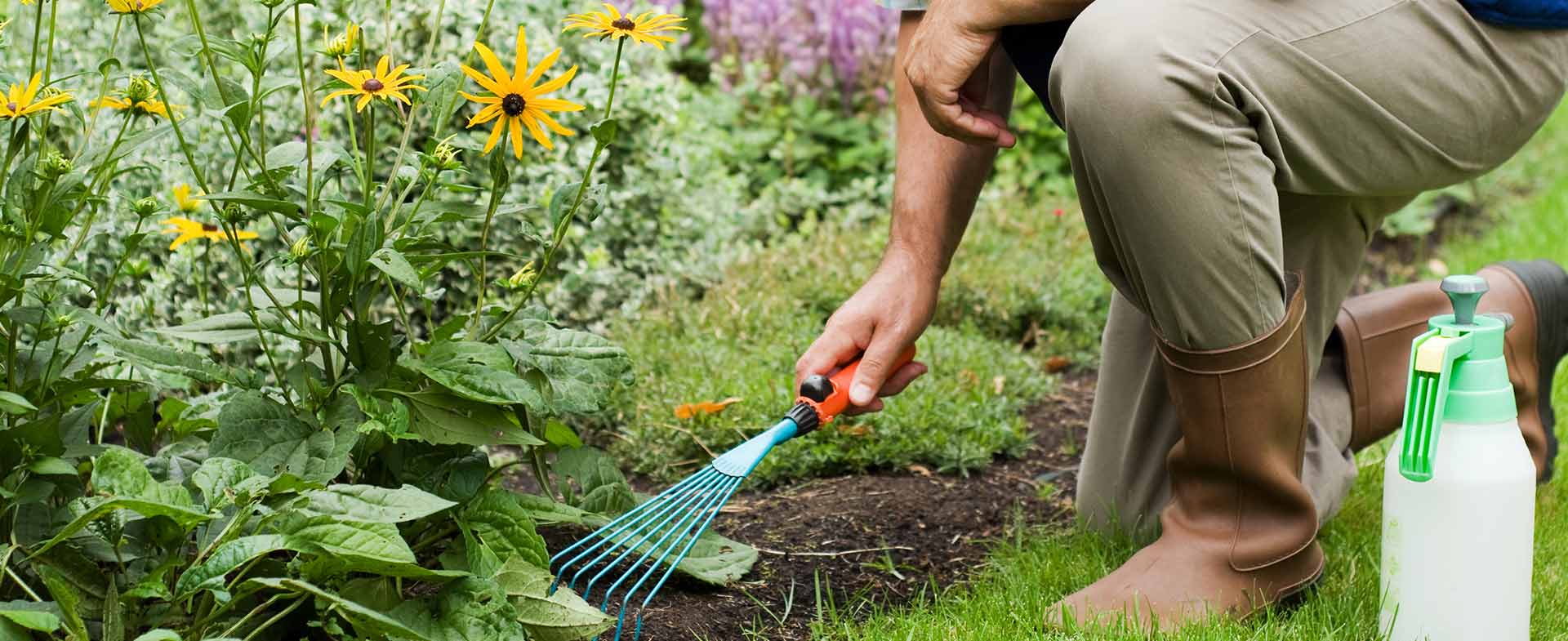
Sometimes, the oldest methods are still the most effective for weed control. Manual and mechanical removal targets visible weeds and their roots, preventing them from reseeding or spreading. These weed management techniques are especially ideal for small garden areas or when dealing with isolated weed outbreaks.
Hand Pulling Weeds
- Pull after rain or watering: Damp soil makes it easier to extract the entire root system.
- Target young weeds: Seedlings are less established and less likely to regrow from leftover roots.
- Use proper form: Grasp the weed low on its stem, close to the soil, and pull slowly and steadily.
Using Garden Tools for Mechanical Cultivation
- Hoes: Scuffle, Dutch, or stirrup hoes easily slice off young weeds at the soil surface.
- Weeding knives: Great for dandelions and taprooted perennial weeds; allows you to dig deep and sever the roots.
- Weeders: Specialized forked tools that pry weeds from between cracks or close quarters.
Mechanical Weed Control: Pros and Cons
- Pros: No chemicals, precise, immediate results, ideal for organic gardens.
- Cons: Labor-intensive, roots left behind may resprout, not practical for large properties.
Pro Tip: Dispose of weedy material properly. Many weeds can regrow from fragments or produce seeds even after being uprooted, so don't add invasive weeds to your compost heap unless you're sure your compost gets hot enough to kill seeds and roots.
Technique 3: Smart and Safe Use of Herbicides
Understanding Herbicide Types
Herbicides can be powerful tools when used wisely and sparingly. To conquer persistent weeds, it's crucial to select the right product and method.
- Pre-emergent herbicides: Prevent weed seeds from germinating. Useful in lawns and flower beds but must be applied before weeds sprout.
- Post-emergent herbicides: Kill established weeds. Can be selective (target certain kinds of plants, like broadleaf weeds) or non-selective (kill all green plants).
How to Apply Herbicides Effectively
- Identify: Know your weed type and lifecycle for best results.
- Spot treatment: Apply only to the weeds, avoiding desirable plants to minimize environmental impact.
- Follow label instructions: Never exceed recommended concentrations or application rates.
- Observe timing: Early morning or late afternoon on calm, dry days are ideal for effective application and reduced drift.
Important Safety Tips
- Wear protective gear (gloves, goggles, long sleeves) when handling chemical weed killers.
- Store products out of reach of children and pets.
- Consider organic or natural herbicides, such as horticultural vinegar or soap-based sprays, for edible gardens or eco-conscious gardening.
Herbicide Control: Pros and Cons
- Pros: Efficient for large areas, effective on stubborn or tough-to-reach weeds, less labor required.
- Cons: Chemical runoff concerns, risk of damaging non-target plants, resistance if overused, not suitable for all settings.
If you choose herbicides, use them judiciously to complement, not replace, the other weed management techniques.

Integrated Weed Management: Combining Techniques for Lasting Success
The best way to conquer weeds is to use a combination of these effective techniques, adapting your approach as your garden evolves through the seasons. Here's how to create a comprehensive weed control plan:
Steps for Integrated Weed Suppression
- Prevention is key: Start with mulch in new and established beds, and keep garden edges and paths weed-free to limit the spread of new weed seeds.
- Early intervention: Remove weeds by hand or with tools as soon as they appear. Small weeds are easier to manage than mature, seed-producing plants.
- Spot treat as needed: For seriously invasive or hard-to-reach weeds, use targeted herbicide application, taking care to safeguard the surrounding environment.
- Regular maintenance: Walk your garden weekly, inspect problem areas, and replenish mulch or reseed lawn bare spots to reduce weed colonization.
Extra Tips to Prevent Weeds
- Grow densely: Reduce open soil by planting ground covers, using dense spacings in vegetable beds, or interplanting flowers and veggies.
- Don't let weeds go to seed: One dandelion can produce thousands of seeds! Remove flower heads before they mature.
- Avoid turning the soil unnecessarily: Deep cultivation can bring buried weed seeds up to the surface, triggering germination. Use gentle hand tools or weed only the top inch or two.
- Clean your tools and boots: Weed seeds are easily spread between beds and properties on dirty equipment or footwear.
Conclusion: Take Control and Enjoy a Weed-Free Garden
With these three powerful techniques to conquer weeds, you can transform your garden from a weed-infested battleground to a thriving, beautiful oasis. Remember that ongoing vigilance and a holistic approach are your best weapons in the fight against unwanted plants.
- Mulch regularly to block new weed growth and nurture your soil.
- Hand-pull or mechanically remove troublesome weeds before they set roots.
- Use herbicides strategically and safely as a last resort for the worst offenders.
By following these best practices for weed control, you'll spend less time weeding and more time enjoying a lush, productive garden. Start implementing these weed suppression techniques today, and watch your garden flourish!
Ready to conquer your weed problems? Explore our website for more expert gardening tips, organic weed control options, and advice on sustainable landscape management. Happy gardening!
Latest Posts
The Secrets Behind Successful Container Gardening
Planting Seeds of Hope to Combat Climate Change
Creative Vertical Gardening for Urban Areas